Living Alone,
Article
| 07 Jan, 2026
Unfortunately, accidents can happen inside the home, with falls being one of the most common risks. Low falls i.e. falls from less than two metres from the ground account for 82% of major trauma for older adults in Ireland.
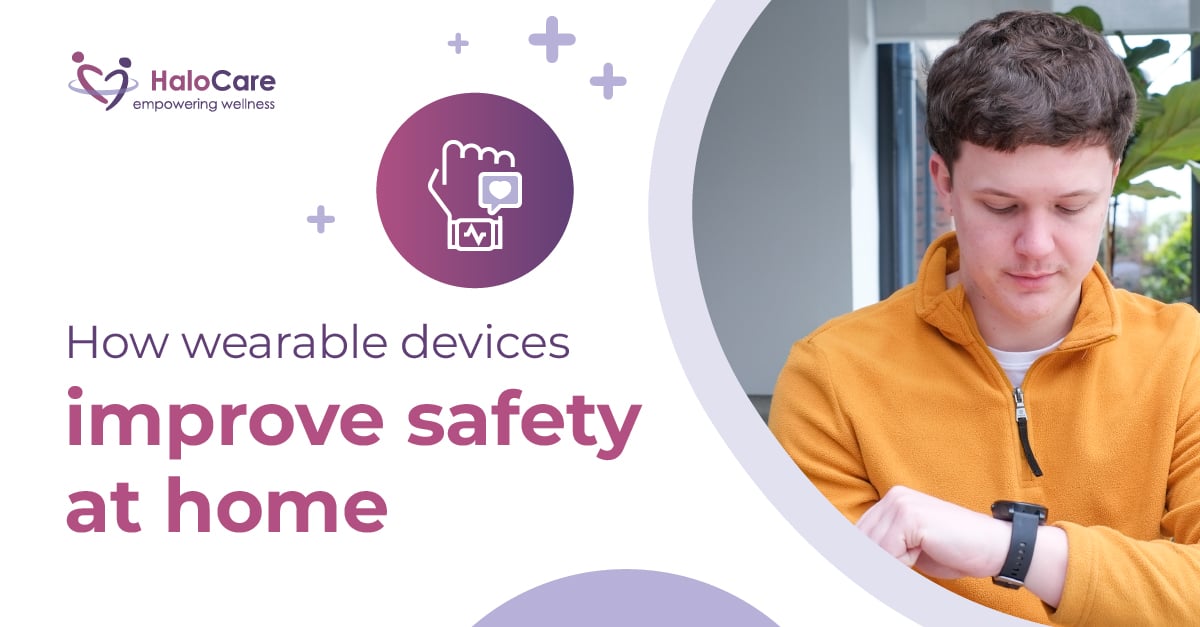
Wearable devices now play a key role in home safety. These devices monitor movement, detect falls, and typically have a built in S.O.S feature or a method of alerting for assistance if required. They support independence while giving families peace of mind.
Why Home Safety Is a Growing Concern
Most injuries among older adults happen at home, as the 2025 Fall Prevention Framework highlights home was the main location for major trauma injury for older adults. This doesn’t mean living at home is no longer an option for older adults, it just highlights the importance of having fall-prevention or safety measures in place as people age.
Some of the key risks that need to be taken into consideration when considering home safety include:
- Does the individual have reduced balance or strength?
- Does the individual live alone?
- Do they have any chronic health conditions?
- Are they experiencing limited mobility?
Wearable safety devices may not be for everyone, but for many they can make all the difference in the world when it comes to confidence on your feet.
What Are Wearable Safety Devices?
Wearable safety devices are small tools worn on the body. Common forms include:
- Pendants
- Wristbands
- Smartwatches
- Clip-on devices
Wearable safety devices are designed to be lightweight and user-friendly to ensure the individual feels comfortable using them without assistance.
How Wearable Devices Improve Safety at Home
Fall Detection and Alerts
Many wearables use motion sensors to detect sudden falls. When a fall occurs, the device sends an alert to a response centre or an emergency contact.
This helps reduce the time a person spends waiting for help after a fall.
Emergency Call Buttons
Wearable devices include a simple button that users can press when they feel unsafe or unwell and may have trouble speaking.
This feature is useful during:
- Dizziness
- Chest pain
- Shortness of breath
- Sudden weakness
Or any situation where the individual may not be able to verbally communicate.
24/7 Support
Wearables connect users to round-the-clock monitoring services. Trained responders assess the situation and contact emergency services or family members or can escalate further if needed.
Activity and Movement Tracking
Some devices track daily movement patterns. Sudden changes in activity may signal health concerns or increased fall risk.
Early detection allows families and carers to act before serious issues arise like a fall in the home.
Support for Independent Living
Wearable safety devices can help people stay in their own homes longer. Users feel more confident moving around, knowing help is always available.
This reduces reliance on constant in-home care while maintaining safety and movement throughout the home.
Choosing the Right Wearable Safety Device
When selecting a device, consider:
- Fall detection accuracy
- Battery life
- Comfort and fit
- The end user's preference
HaloCare offers wearable safety solutions designed for real-world home use, with clear support and reliable response systems.
HaloCare Wearable Devices
HaloCare has several wearable solutions, designed to give clients the confidence to live independently while being safe. Our wearable solutions include:
HaloGo Watch: HaloGo is a wearable device with built-in GPS function, fall down sensors and alerts. For clients that are more mobile but still need extra support when out and about, HaloGo can give peace of mind. Once the emergency S.O.S feature has been activated, a member of the Care Hub team will be in touch.
HaloCare Pendant: For clients who prefer a wearable option, the lightweight HaloCare Pendant provides added reassurance. With a simple press, it instantly alerts the Care Hub team for immediate support.
The best wearable safety device for your loved one, is the one that they feel most comfortable using, ultimately if they don’t feel comfortable using the safety device, they may be more hesitant to use it.
If you are interested in finding out more about HaloCare’s Safety Solution, get in touch today.