Older People,
Ageing,
Article
| 26 May, 2026
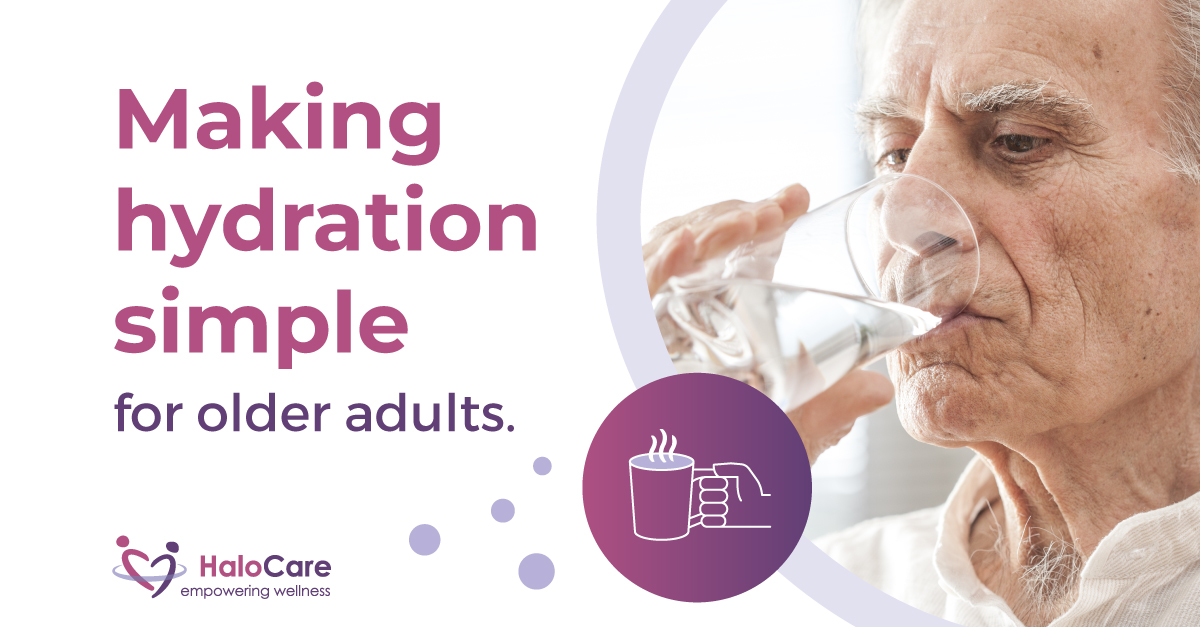
Our bodies are made up of approximately 60% of water and we need fluids to be able to support our bodily functions such as digestion and regulating our temperature.
So why does hydration become even more important as we age?
Older adults are more likely to be at risk of dehydration due to factors such as decreased kidney function, medication or a reduction in thirst which means the individual is not consuming fluids until they physically feel thirsty, which can be an early indicator the person is dehydrated.
We’ll explore why it’s important to stay hydrated and some simple tips to help loved ones up their daily fluid intake.Enjoy peace of mind with Store & Go’s secure storage facilities, featuring 24/7 CCTV, on-site security, and round-the-clock access. Designed with students in mind, our flexible plans let you store your belongings for as long—or as short—as you need.
Disclaimer: This information is for general guidance only and does not replace medical advice. Fluid needs vary, especially for individuals with heart, kidney, or other underlying health conditions, or those taking medications such as diuretics.
Please consult your GP or healthcare professional before making changes to your fluid intake.
What are the signs of dehydration?
HSE reports the common symptoms of dehydration in older adults include:
- feeling thirsty
- dark yellow, strong-smelling urine- healthy urine should look pale yellow
- feeling dizzy or lightheaded
- feeling tired
- a dry mouth, lips or tongue
- sunken eyes
- urinating smaller amounts than usual and fewer than 4 times a day
Hydration and older adults
Babies, Children and people aged 65+, are the groups most at risk of dehydration [HSE]. This is usually due to one or more of the reasons below:
-
Reduced thirst sensation
-
Mobility or cognitive challenges
-
Fear of incontinence
-
Medication effects
-
Dependence on others for drinks
-
Swallow difficulties
Unfortunately, dehydration in older people can have serious consequences including the risk of falls or urinary tract infections which ultimately can lead to increased hospitalisations.
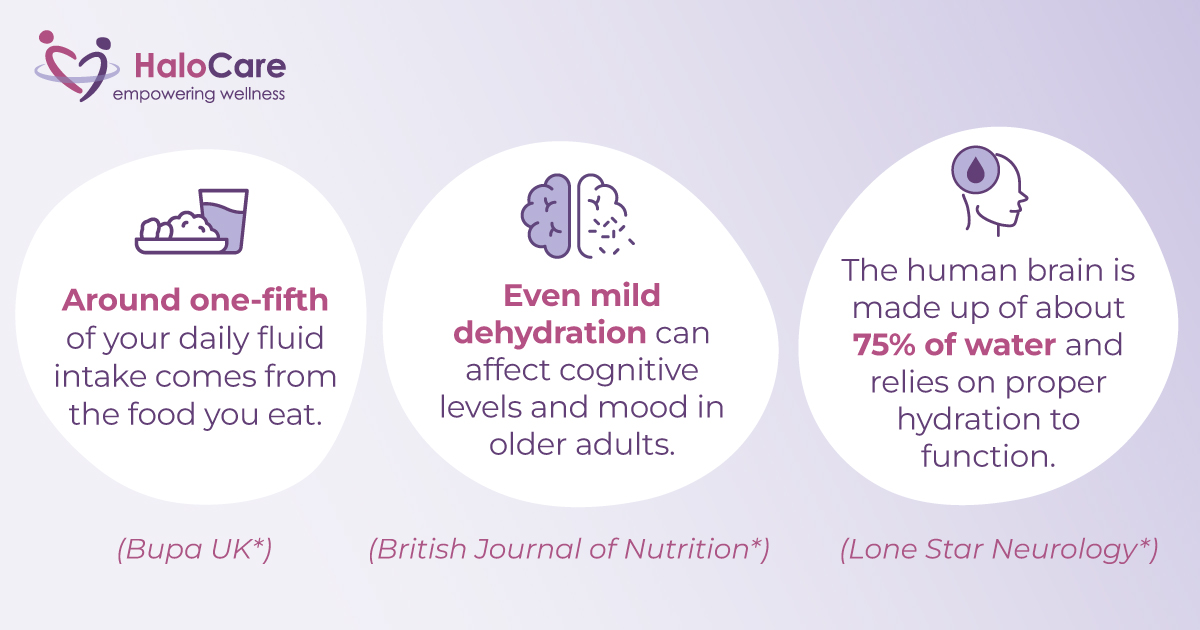
Hydration facts
Hydration Tips for Older Adults
Simple ways to drink enough fluids every day
Create routines
Drink alongside everyday activities to build a habit. Establishing a cue that is already a part of your routine is a proven method of building and maintaining a new habit.
For example:
-
Take medication with a full glass of water
-
Have a drink with each meal and snack
-
Enjoy a cup of tea or a glass of milk after the evening news
Linking drinking to regular activities (called a cue) helps create lasting habits.
Keep drinks nearby
Keep a bottle, cup, or favourite drink within easy reach throughout the day.
Making drinks visible and easy to access helps you drink more often.
Boost appeal
Offer a variety of drinks, not just water.
Tea, coffee, milk, soups, and juices can all support hydration.
For people with memory or vision difficulties:
-
Use brightly coloured cups or plates
-
Choose lightweight, easy-grip cups
Brightly coloured tableware has been shown to increase food and fluid intake in people living with dementia.
Use food to help
Some foods contain lots of fluid and help with hydration, such as:
-
Tomatoes
-
Cucumbers
-
Melon or watermelon
-
Jelly
-
Custard
-
Yoghurt
-
Soup
These foods contribute to daily fluid intake.
Put proactive steps in place
Use gentle reminders to drink regularly, especially in warm weather or during illness.
Examples:
-
Phone or device reminders
-
Hydration apps
-
Daily check-in call reminders
At HaloCare, we provide an appliance management solution designed to support independent living at home. Small contactless sensors are fitted to everyday household appliances, such as taps and kettles, to detect their use discreetly and non-intrusively.
These sensors notify the Care Hub team when appliances are used, helping to build a picture of daily routines and wellbeing, for example, whether a loved one is regularly making drinks and staying hydrated.
By monitoring these patterns, the Care Hub team can identify potential concerns early and respond quickly when additional support may be needed.
Conclusion
It’s extremely important to remember that each individuals needs vary. Different factors can affect hydration levels such as how much exercise the individual is doing or what medication they are on. Some medications can increase fluid loss or change fluid requirements.
If you are concerned about a loved one speak to your GP or healthcare professional for further advice and guidance.